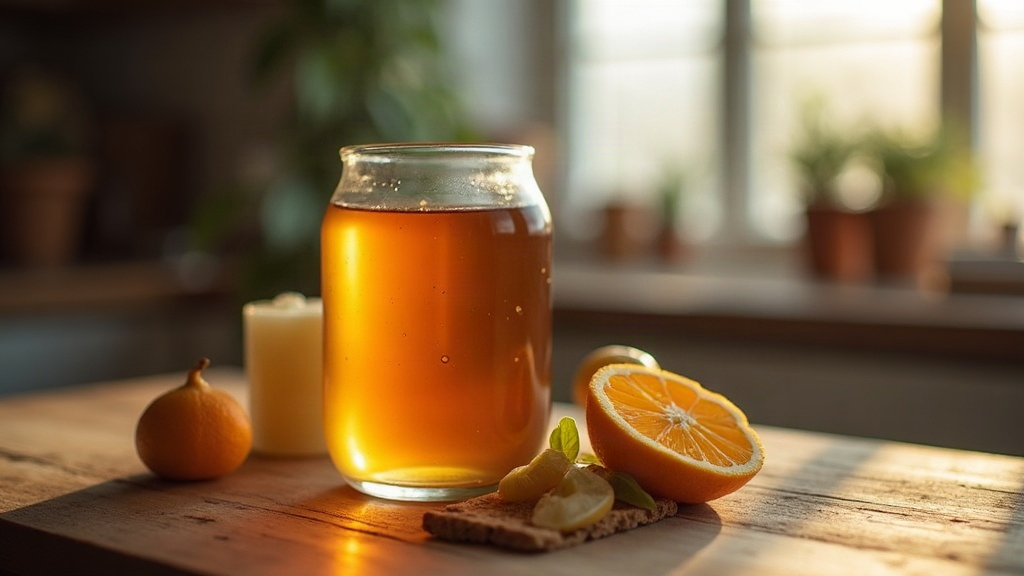
Long before glucose meters existed, home cooks paid close attention to the order food reached the table. This guide looks at that old habit — including the traditional Biblical drink (oil)/ Honey blend blend — through the lens of everyday routine, not medical treatment.
Before any ingredient or method matters, the daily grind is worth naming honestly. These are four moments many people recognize.
Waking up tired even after a full night's sleep, reaching for coffee that doesn't quite clear the haze — a familiar start to the day for many.
Breakfast, lunch, dinner, snacks — each one a small decision that can feel heavier than it should by the third meal of the day.
A burst of energy right after eating, followed by a slump an hour later that makes the rest of the afternoon feel like an uphill climb.
One source says avoid this, another says it's fine — the noise around 'what to eat' can drown out simple, practical routine.
Kitchen table talk is full of shortcuts. Here’s a closer, calmer look at three common ones.
All carbohydrates are the enemy of a steady day.
Carbohydrates are just one part of a plate; how they’re paired and the order they’re eaten in often matters as much as the source itself.
Fruit should be avoided entirely because it’s ‘basically sugar.’
Whole fruit comes with fiber and structure that vary meal to meal. Many people include it as part of a varied plate, guided by their own healthcare provider.
There’s a special category of ‘diabetic food’ that solves everything.
Most traditional, minimally processed cooking applies to everyone at the table — no separate menu required. Any changes to what or how you eat are worth discussing with the professional who already knows your history.
This isn’t a meal plan or a list of forbidden foods. It’s a sequence — the order things are eaten, and the pace of the meal itself.
An old table habit many cuisines share — greens and protein reach the fork before the bread or rice does, simply by rearranging the order of bites.
Chewing fully, setting utensils down between bites, letting a meal take twenty unhurried minutes instead of five rushed ones.
A gentle stroll after the plate is cleared — a habit borrowed from evening routines in many households, not a workout, just movement.
Long before it had a name on a label, a blend of pressed oil and honey found its way into kitchens across the Mediterranean and the Levant. It was drizzled over warm bread offered to guests, stirred into evening drinks as part of a hospitality ritual, and mentioned in old texts as a symbol of a table that had enough to share. Recipes passed from one generation to the next kept it as a pantry staple — something poured at the end of a meal, not measured out as a remedy.
The value of this blend was always at the table itself — in the company, the pouring, the sharing — not in a jar promising anything about how the body works inside.
Noticing bigger swings across the day than what feels usual is worth mentioning at your next visit with your doctor.
New patterns that seem to come from nowhere are best described to the professional who already tracks your health.
If eating schedules seem at odds with medication timing, talk it through with your doctor — never adjust dosage on your own.
Ongoing tiredness despite enough hours in bed is a good topic for your next checkup, not a guessing game.
Curious about working something like an old family recipe into your routine? Ask your doctor or dietitian before making it a habit.
When something feels unclear, the person who already knows your history is the right one to ask — not a search engine.
These stories reflect personal routines and are shared for illustrative purposes only. They are not a guarantee of any outcome, and individual experiences vary. Always consult your own healthcare provider about your specific situation.
Explore the tradition behind Biblical drink (oil)/ Honey blend and the plate-order habit as part of an everyday routine — alongside, not instead of, guidance from your own healthcare provider. This page is educational and does not replace medical advice; never change your treatment or medication without talking to your doctor first.
Advertising Disclosure: This page contains sponsored content and affiliate links. We may receive compensation if you click on or make a purchase through links on this page. This does not affect the price you pay and helps support the creation of educational content like this.
Content Disclaimer: This content is for educational and informational purposes only. It has not been evaluated by the FDA and is not intended to diagnose, treat, cure, or prevent any disease. It is not a substitute for professional medical advice, diagnosis, or treatment. Always consult a qualified healthcare professional before changing your diet, routine, or any prescribed treatment, and never disregard professional medical advice because of something you have read here.
Results Disclaimer: Individual results and experiences vary. Testimonials and stories shared on this page reflect personal opinions and routines and are not a guarantee of any particular outcome for any reader.
© 2026 · All Rights Reserved